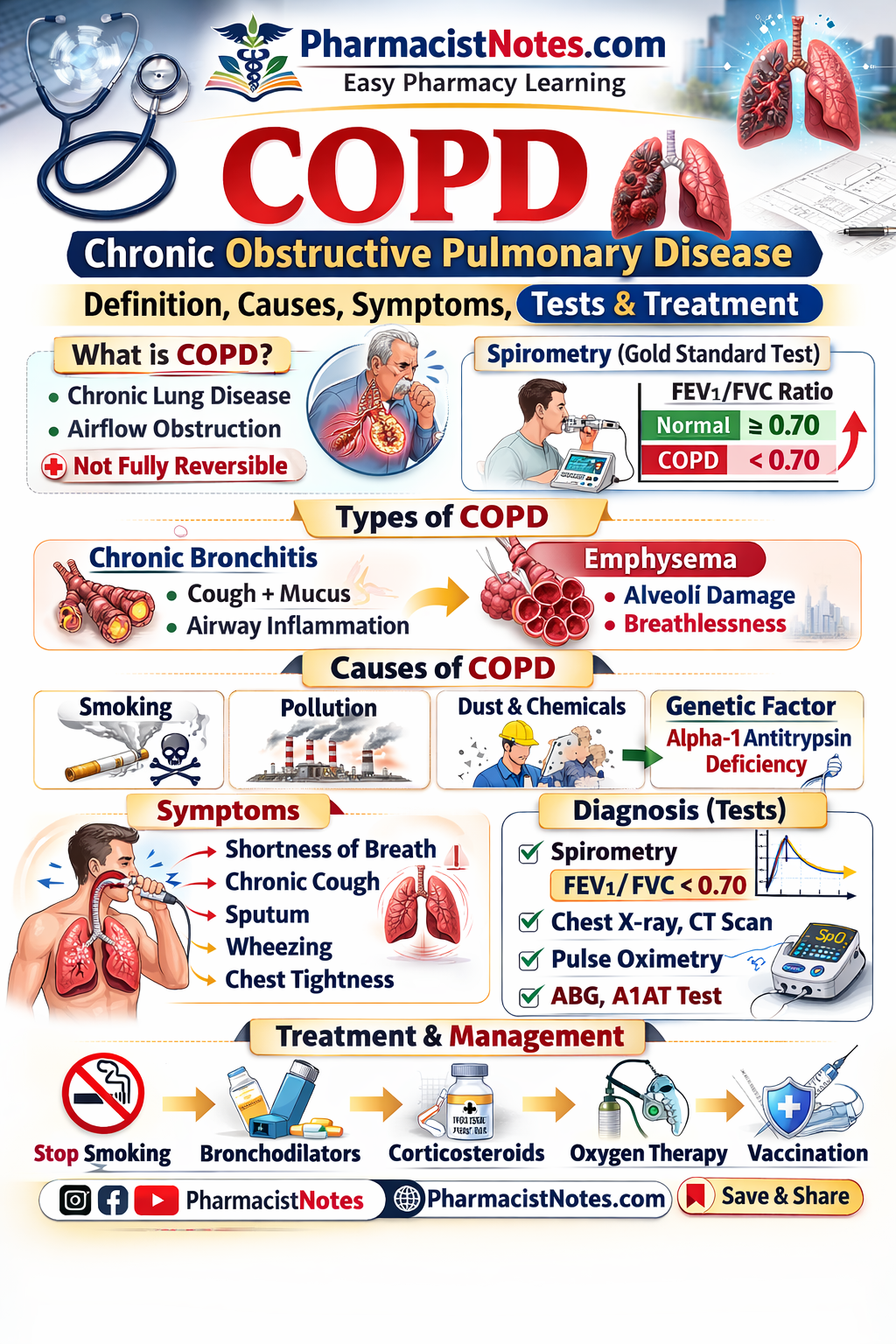
Introduction Last year, the Air Quality Index (AQI) in New Delhi crossed 800+ for PM2.5, one of the worst levels recorded. And it wasn’t just
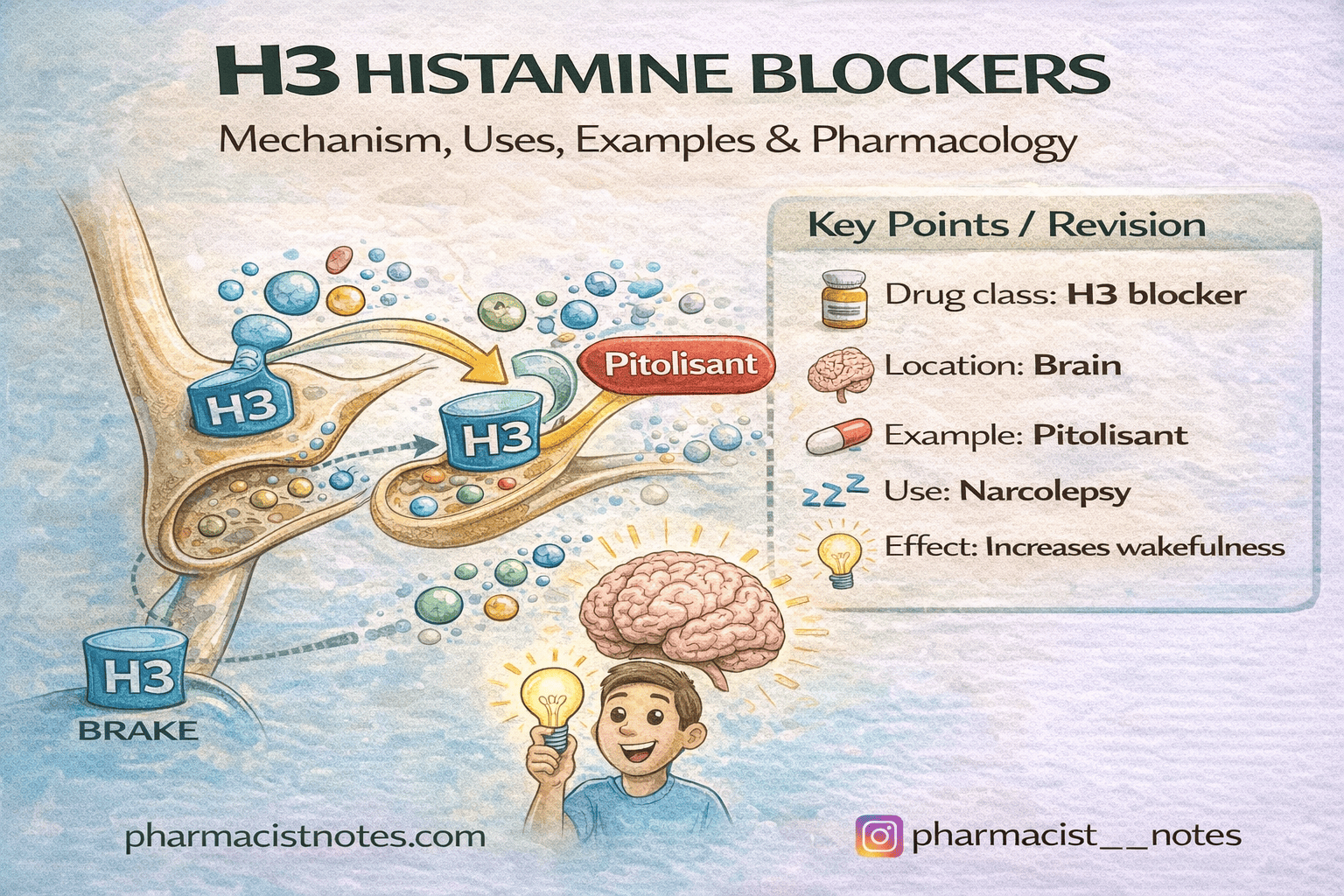
H3 histamine blockers are drugs that increase histamine release in the brain by blocking inhibitory H3 receptors, improving wakefulness and alertness. They are mainly used in narcolepsy treatment. Learn about H3 histamine blockers mechanism of action, uses, examples like pitolisant, and their role in pharmacology and cognitive function.
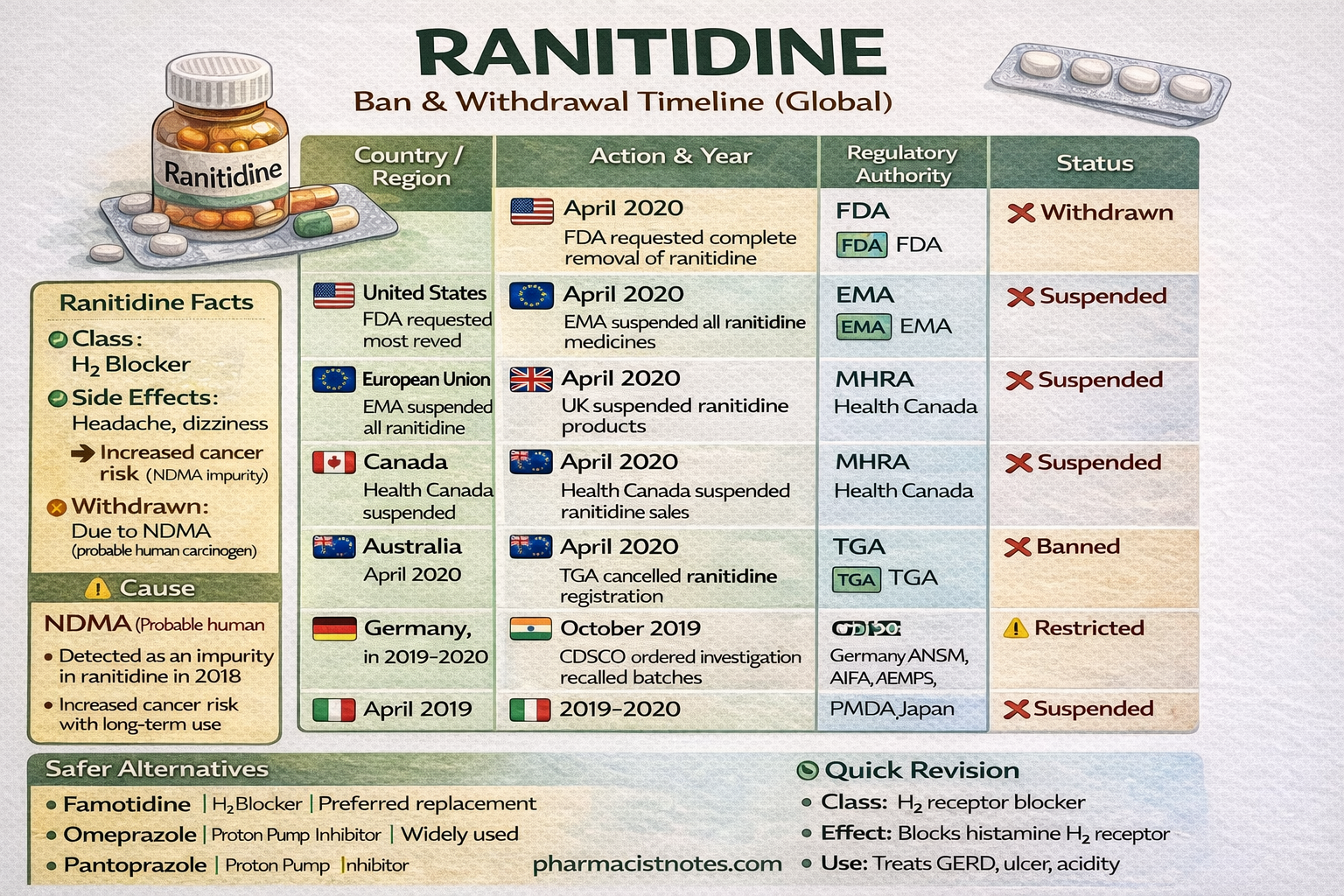
Ranitidine is an H2 receptor blocker used to reduce stomach acid and treat conditions such as GERD, peptic ulcer, and acid reflux. It works by blocking histamine H2 receptors on gastric parietal cells, thereby decreasing acid production. Learn about ranitidine uses, mechanism of action, dosage, side effects, safety concerns, and why it was withdrawn in many countries due to NDMA impurity.
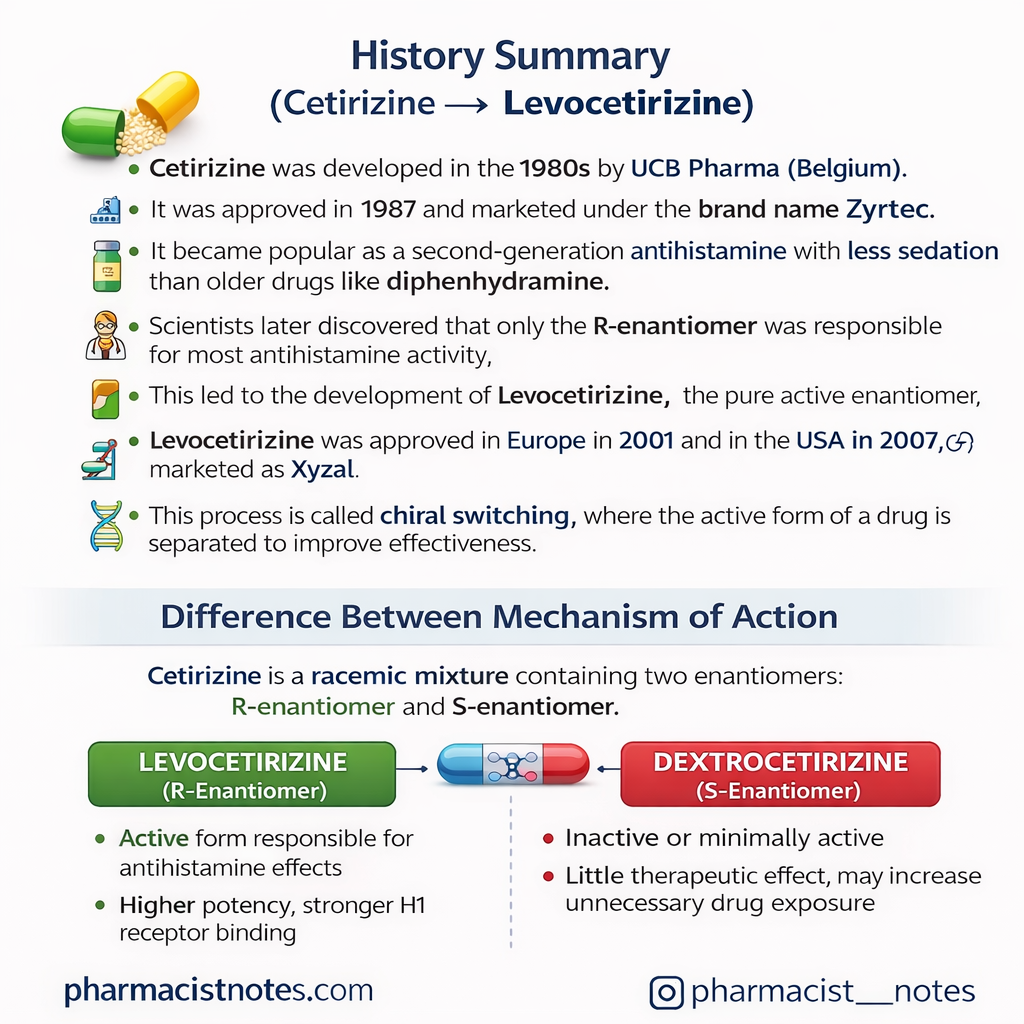
Compare levocetirizine vs cetirizine including history, differences, potency, sedation, studies, and which antihistamine is better for allergy treatment.
Loratadine is a second-generation, non-sedating antihistamine used to treat allergic rhinitis, hay fever, and chronic urticaria. With once-daily dosing, minimal central nervous system effects, and a favorable safety profile in pregnancy and breastfeeding (when clinically indicated), it remains a preferred option for daytime allergy relief. Always use with caution in severe liver disease and with CYP3A4-interacting drugs.
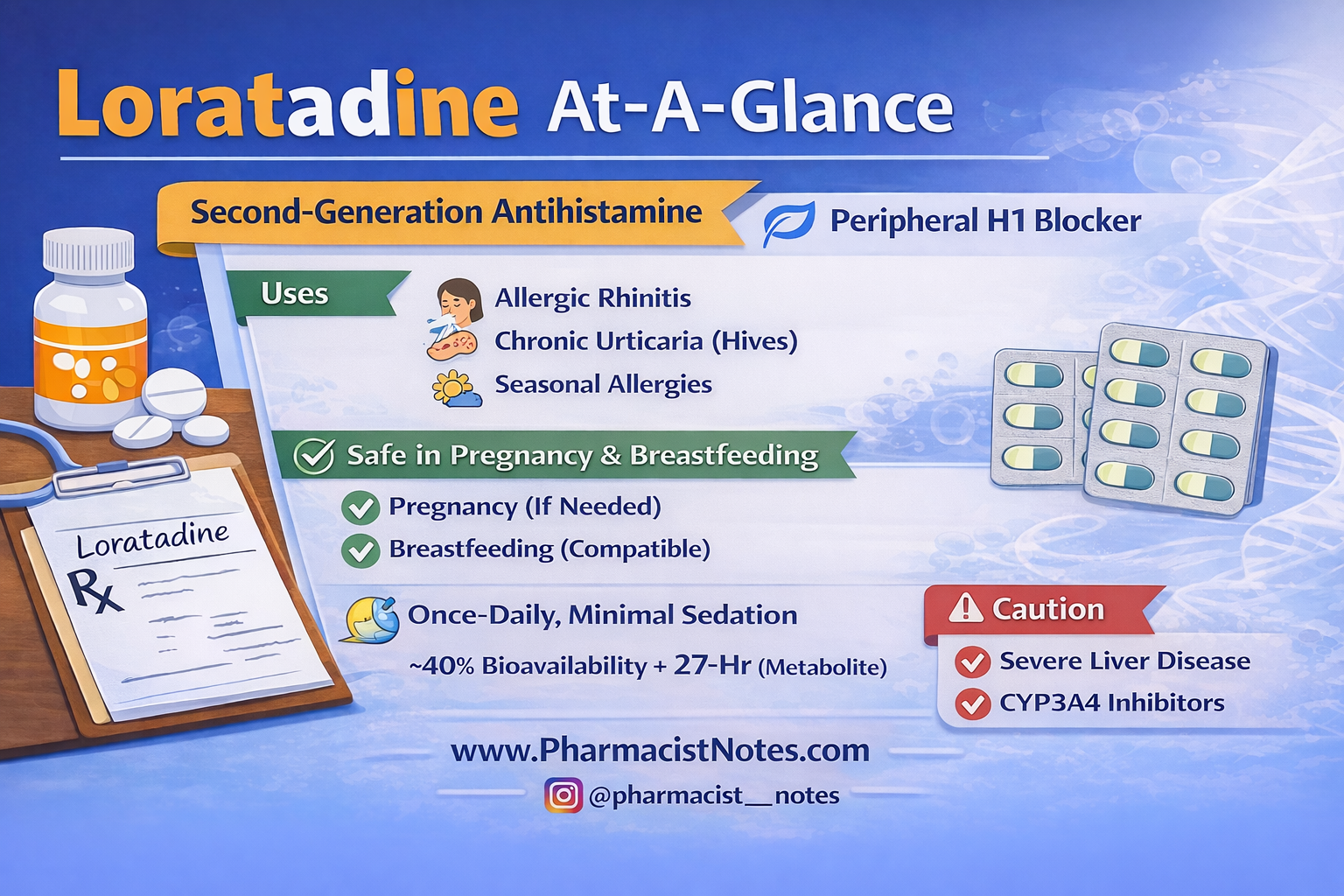
Loratadine is a second-generation, non-sedating antihistamine used to treat allergic rhinitis, hay fever, and chronic urticaria. With once-daily dosing, minimal central nervous system effects, and a favorable safety profile in pregnancy and breastfeeding (when clinically indicated), it remains a preferred option for daytime allergy relief. Always use with caution in severe liver disease and with CYP3A4-interacting drugs.
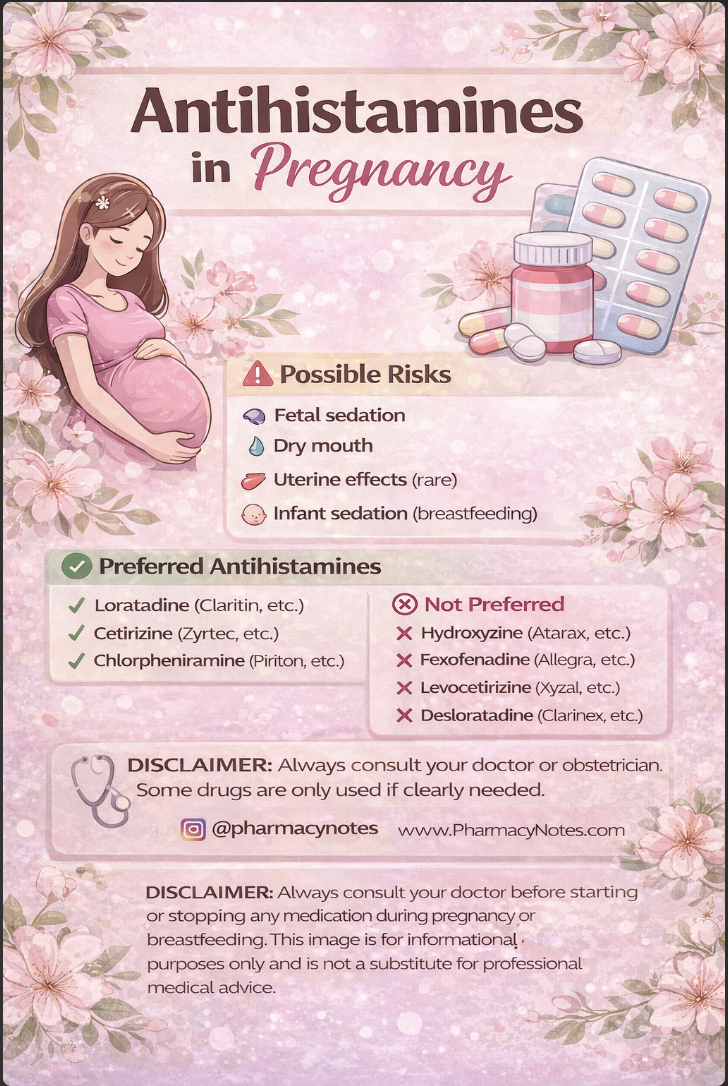
Antihistamines are commonly used to treat allergies, but not all are equally safe during pregnancy. This guide explains pregnancy risk categories, potential effects on the fetus and breastfeeding infant, and which antihistamines are preferred or should be avoided. Always consult a healthcare professional before using any medication during pregnancy.
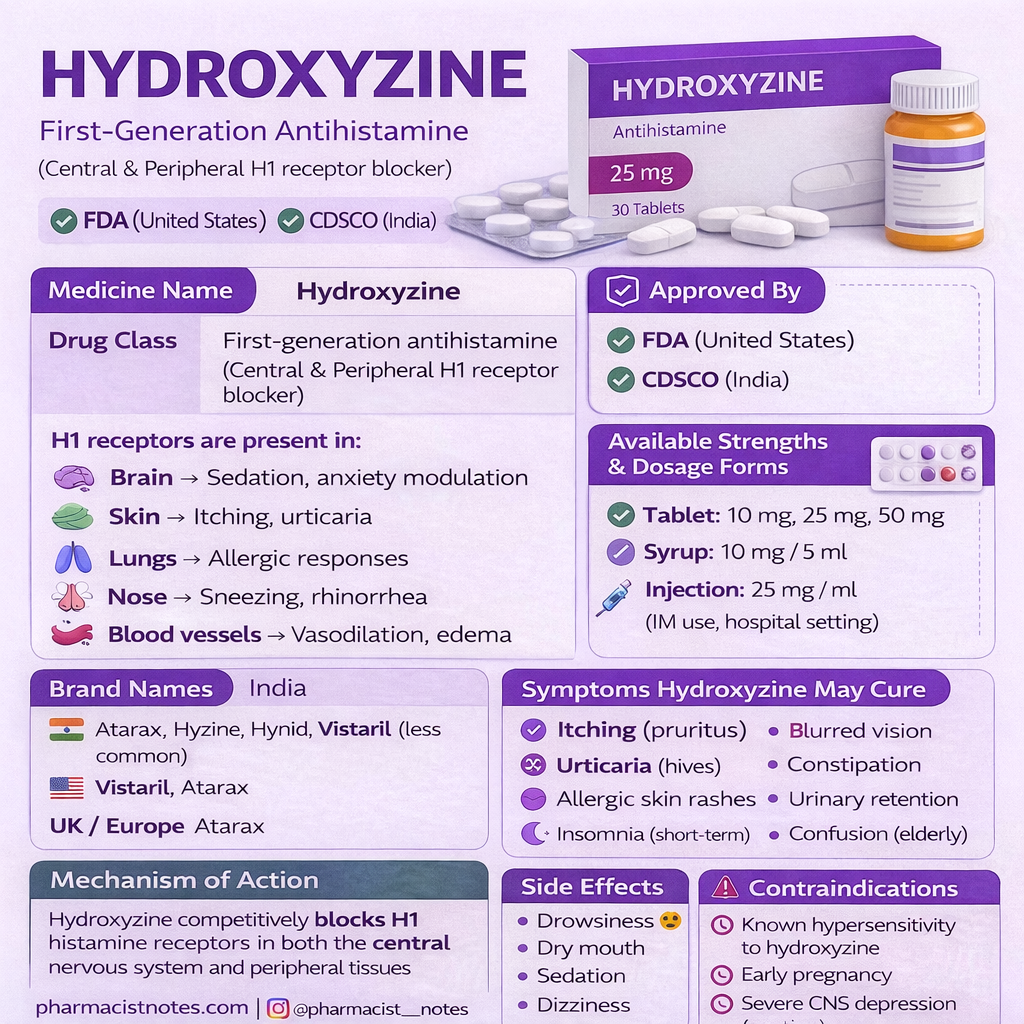
Hydroxyzine is a first-generation antihistamine used to manage allergic conditions, pruritus, anxiety, and short-term insomnia. It blocks central and peripheral H1 receptors, producing antihistaminic as well as sedative effects, which makes it unsuitable for daytime allergy relief.

Medicine Name Fexofenadine Drug Class Second-generation antihistamine (Peripheral H1 receptor blocker)Peripheral H1 receptors are present in Brand Names India: Allegra, Fexova, Fexy, Telfast, Histakind, FX-24

What is Histamine? If you are from a medical background, you must have noticed one word that comes up again and again and that is