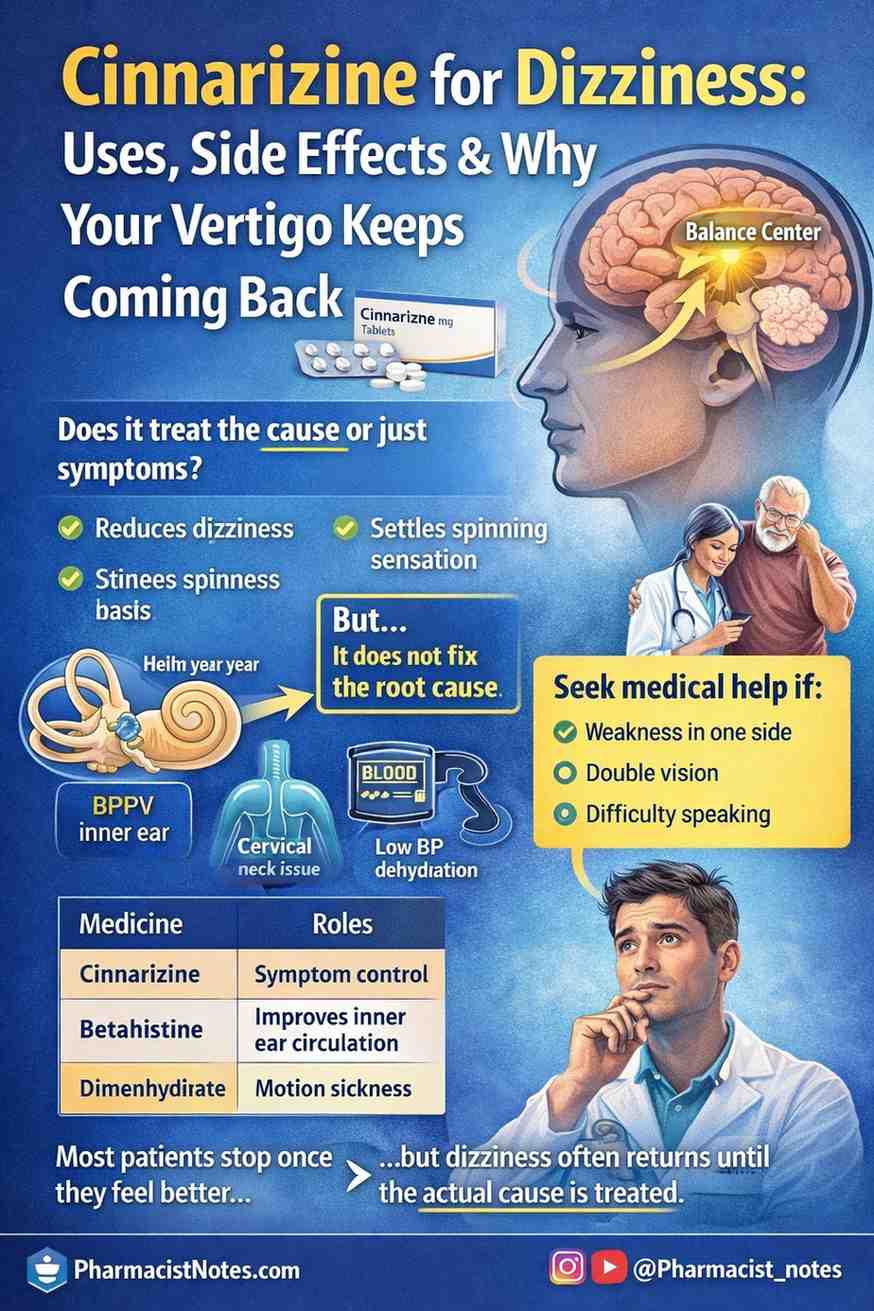
Cinnarizine is commonly used for dizziness and vertigo, but does it actually treat the root cause? In this guide, learn how it works, when it helps, its side effects, and why your dizziness may keep coming back if the underlying problem is not addressed.
Category: Medicines Guide
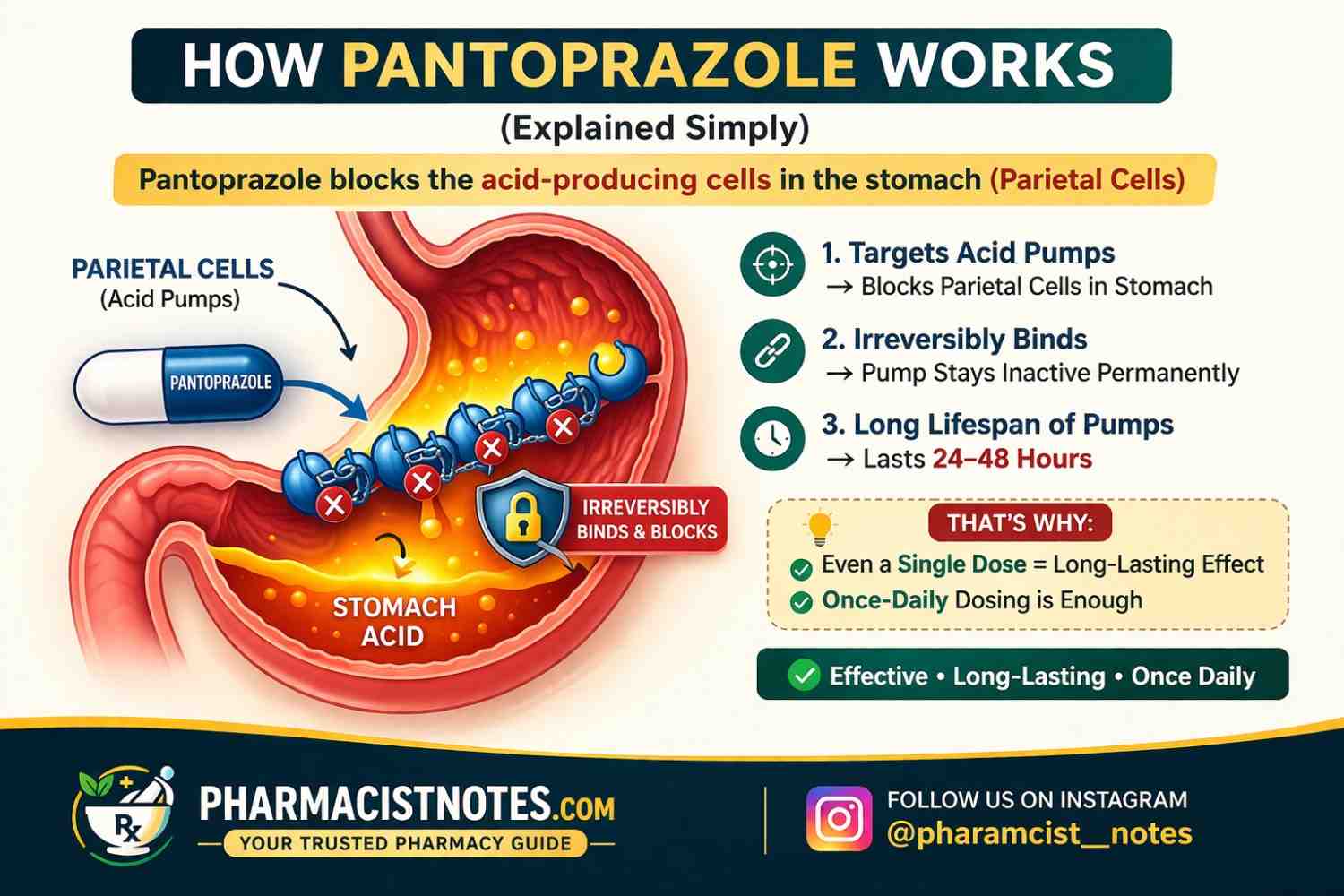
Pantoprazole Before or After Food? Whenever pantoprazole or any other proton pump inhibitor (PPI) is prescribed, I have often observed that patients are simply advised
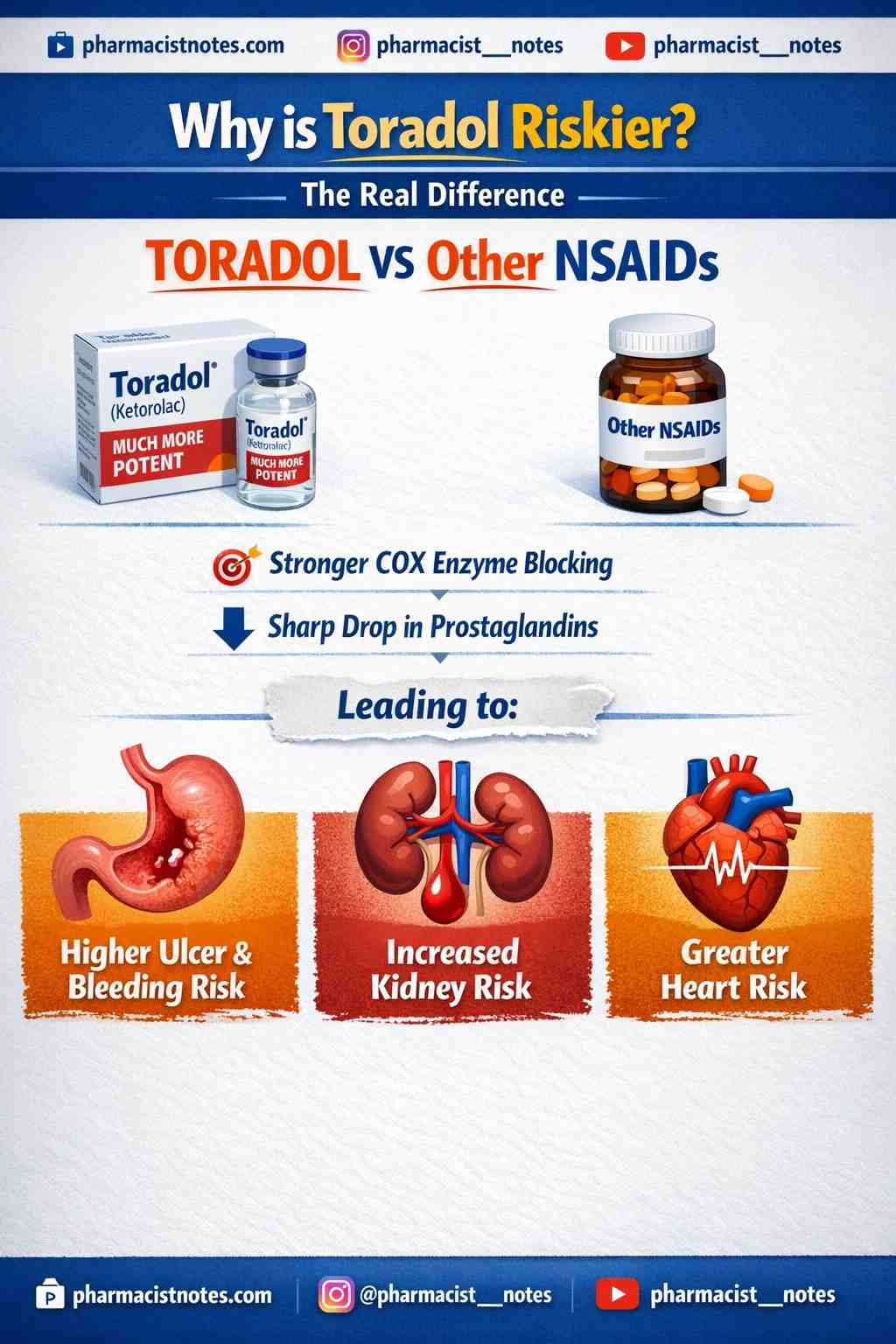
Toradol is not a casual painkiller. Being one of the most potent NSAIDs, it offers strong relief — but also comes with higher risks if used improperly. Here’s why it should be used carefully, and why confusing it with Tramadol can be dangerous.

Choosing the right Proton Pump Inhibitor (PPI) can be confusing. This guide compares Pantoprazole, Rabeprazole, Esomeprazole, and Omeprazole based on onset, effectiveness, safety, and disease-specific use. Learn which PPI is best for GERD, ulcers, H. pylori therapy, and more in a simple, practical way.
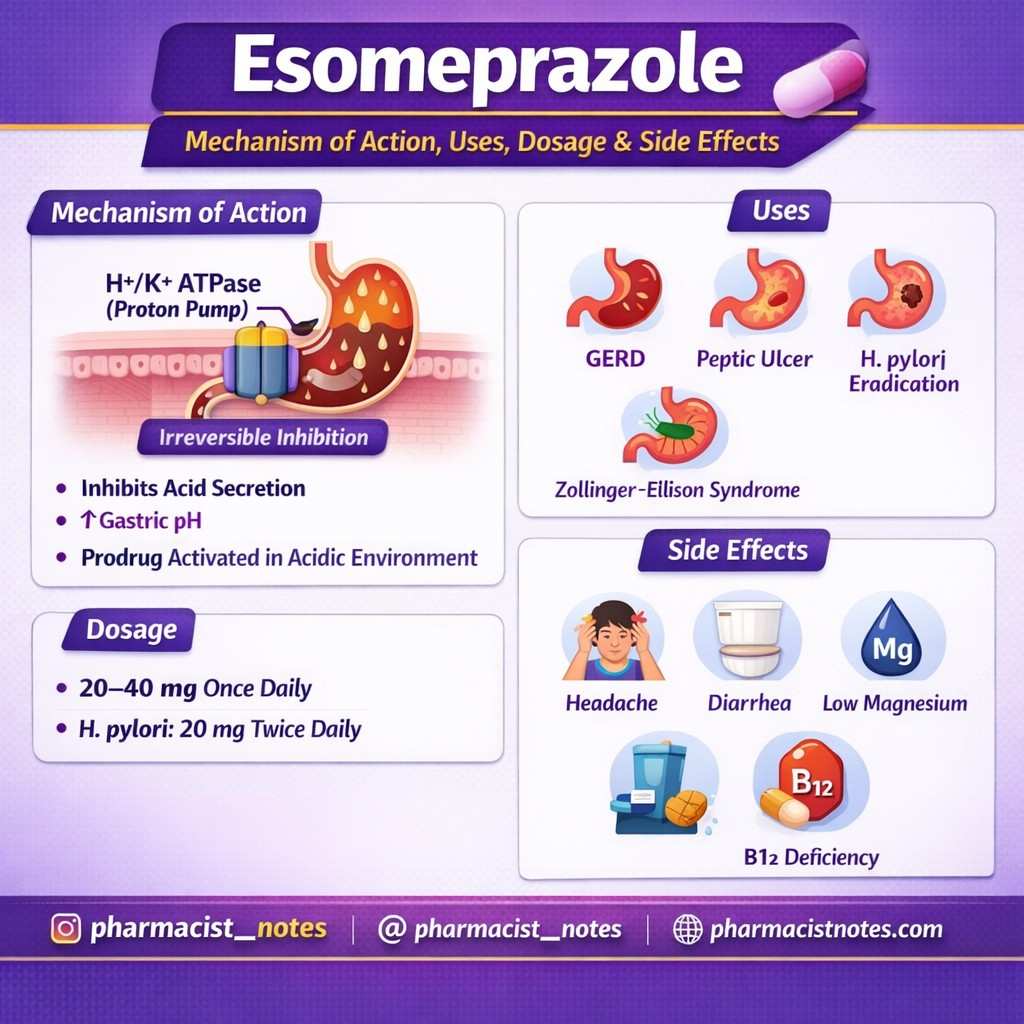
Esomeprazole is a proton pump inhibitor (PPI) used to reduce stomach acid and treat conditions like GERD, peptic ulcers, and acid reflux. Learn how it works, along with its dosage, uses, side effects, and drug interactions.
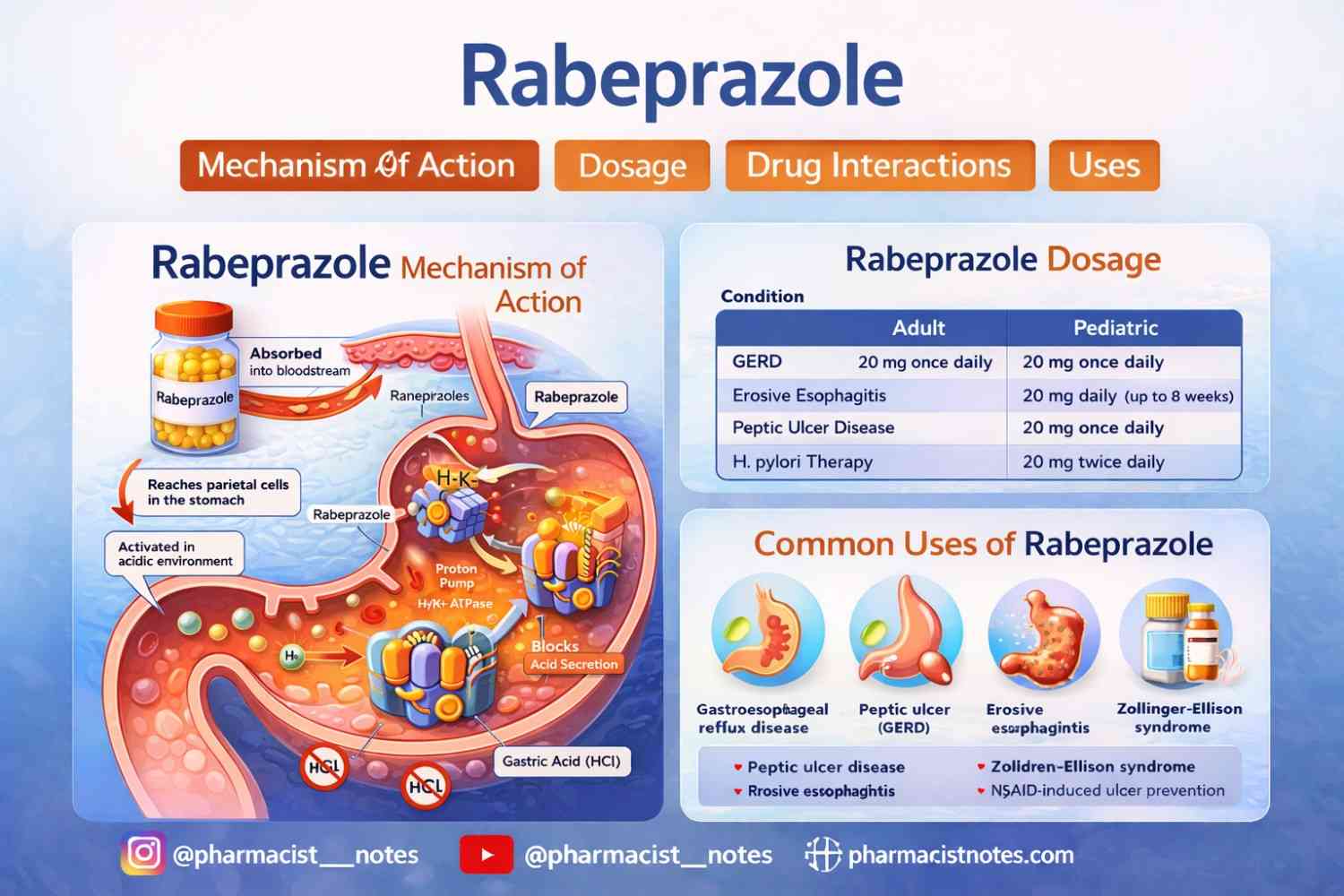
Rabeprazole is a proton pump inhibitor (PPI) used to reduce stomach acid and treat conditions like GERD, peptic ulcers, and erosive esophagitis. Learn about the mechanism of action of rabeprazole, its uses, dosage, side effects, drug interactions, and popular brand names.
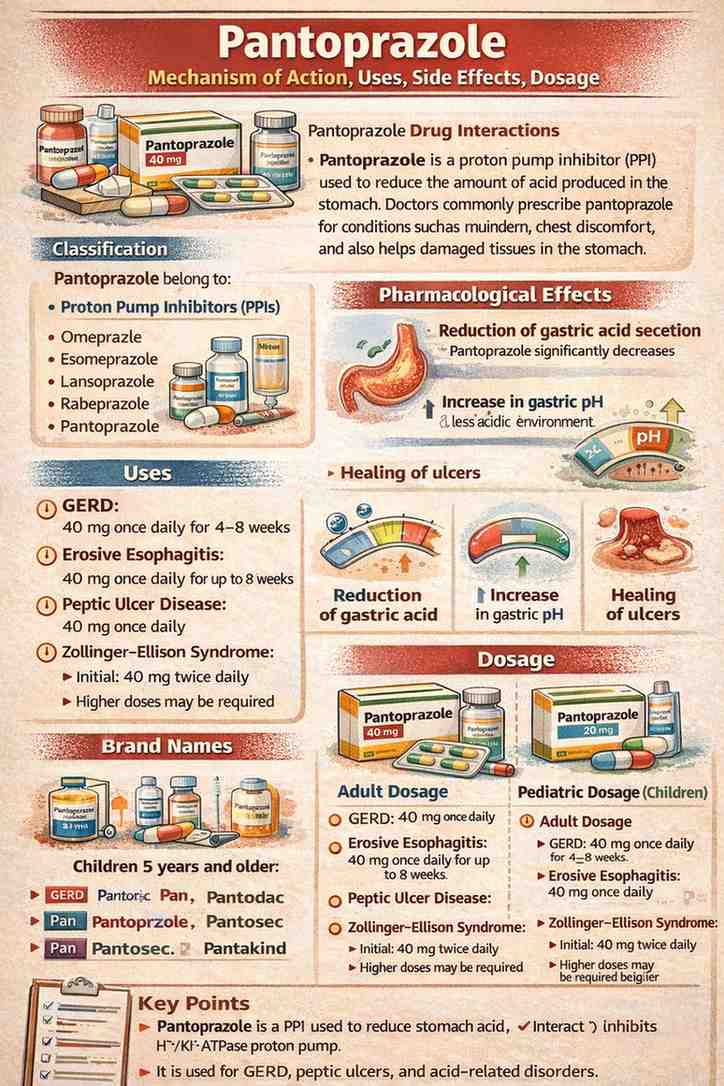
Introduction I have seen that pantoprazole has become one of the most commonly used medicines among proton pump inhibitors (PPIs), especially in combination with domperidone.
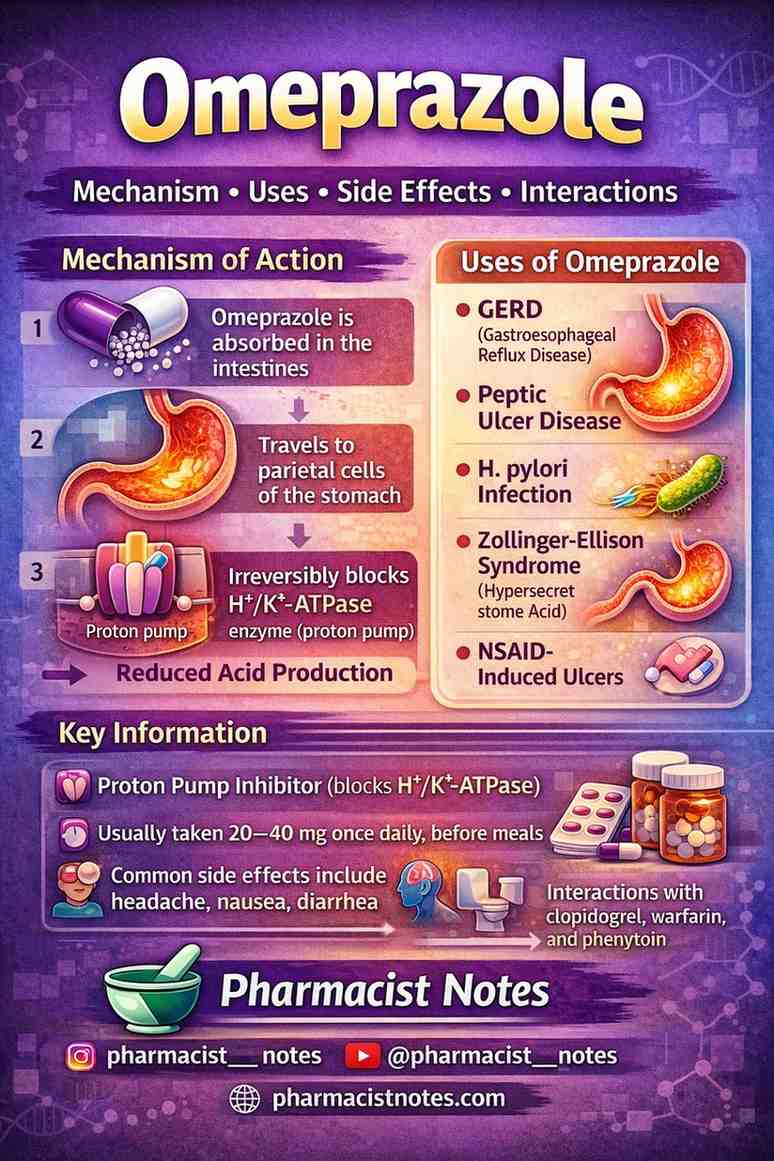
Omeprazole is one of the most commonly used medicines for reducing stomach acid. Doctors frequently prescribe it for conditions like acid reflux, stomach ulcers, and
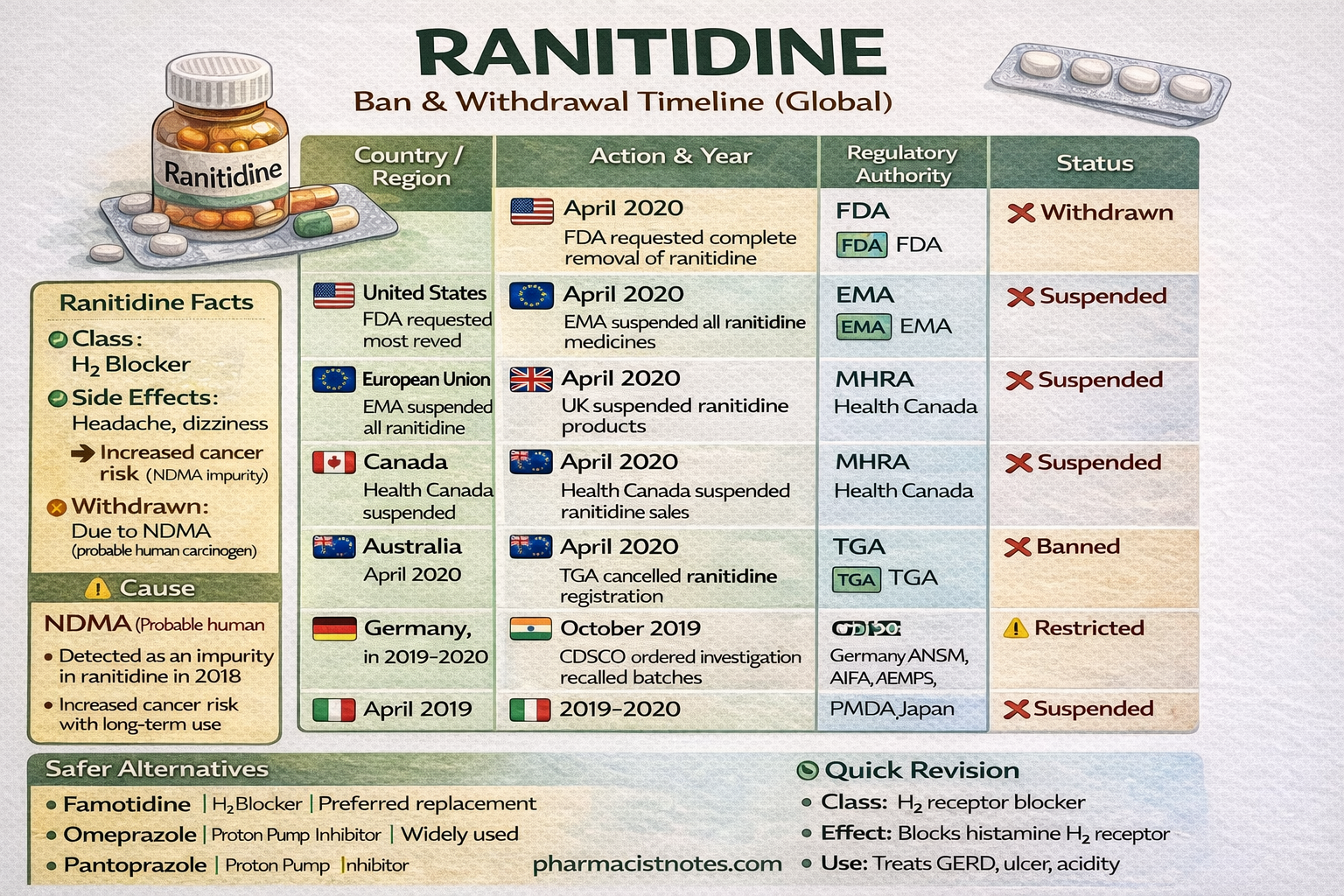
Ranitidine is an H2 receptor blocker used to reduce stomach acid and treat conditions such as GERD, peptic ulcer, and acid reflux. It works by blocking histamine H2 receptors on gastric parietal cells, thereby decreasing acid production. Learn about ranitidine uses, mechanism of action, dosage, side effects, safety concerns, and why it was withdrawn in many countries due to NDMA impurity.
Loratadine is a second-generation, non-sedating antihistamine used to treat allergic rhinitis, hay fever, and chronic urticaria. With once-daily dosing, minimal central nervous system effects, and a favorable safety profile in pregnancy and breastfeeding (when clinically indicated), it remains a preferred option for daytime allergy relief. Always use with caution in severe liver disease and with CYP3A4-interacting drugs.