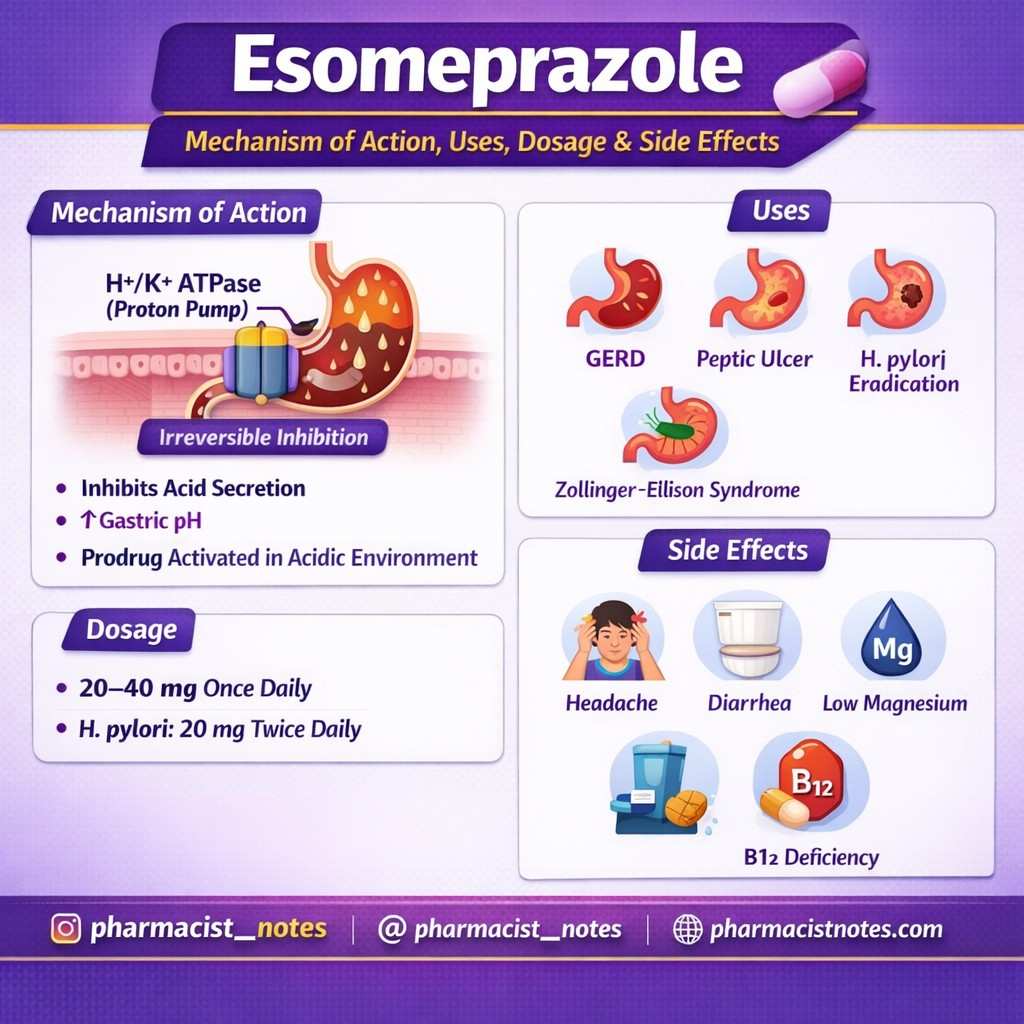
Esomeprazole is a proton pump inhibitor (PPI) used to reduce stomach acid and treat conditions like GERD, peptic ulcers, and acid reflux. Learn how it works, along with its dosage, uses, side effects, and drug interactions.
Category: pharmacology
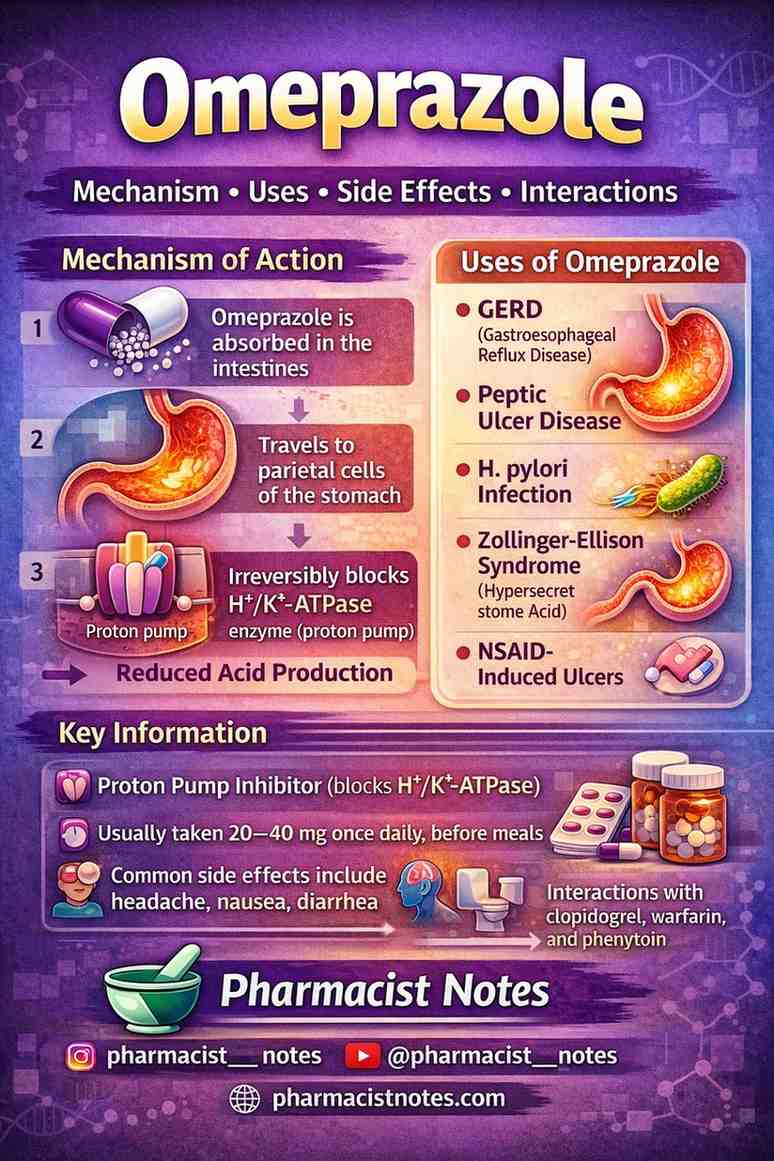
Omeprazole is one of the most commonly used medicines for reducing stomach acid. Doctors frequently prescribe it for conditions like acid reflux, stomach ulcers, and

Introduction to Proton Pump Inhibitors (PPIs) Acid-related stomach problems like acid reflux, gastritis, and peptic ulcers are very common today. These conditions usually occur when
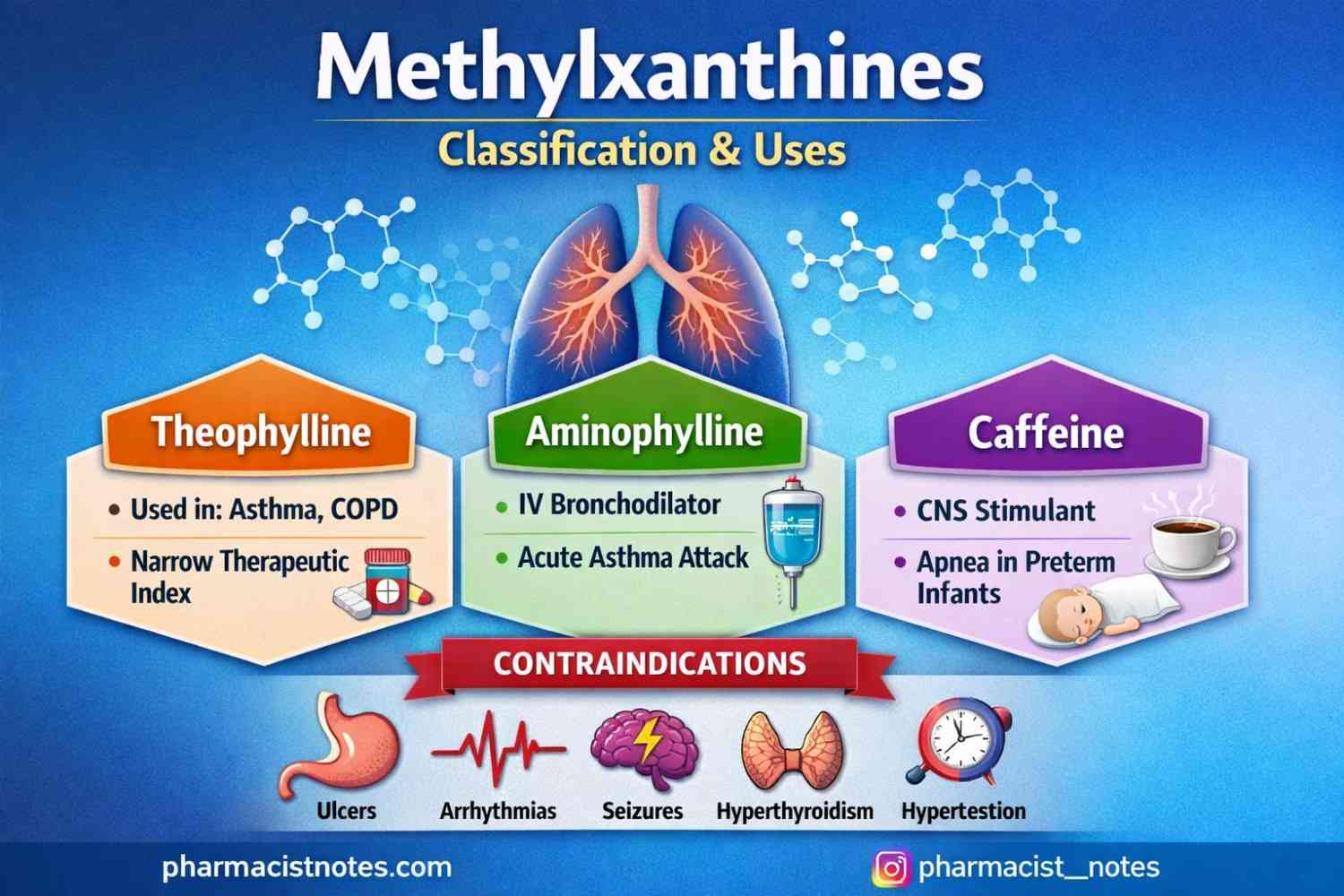
Methylxanthines Pharmacology: Mechanism, Classification, Uses, Contraindications & Drug Interactions
What are Methylxanthines? Methylxanthines are a group of xanthine derivatives that mainly act as bronchodilators and central nervous system (CNS) stimulants. They are commonly used
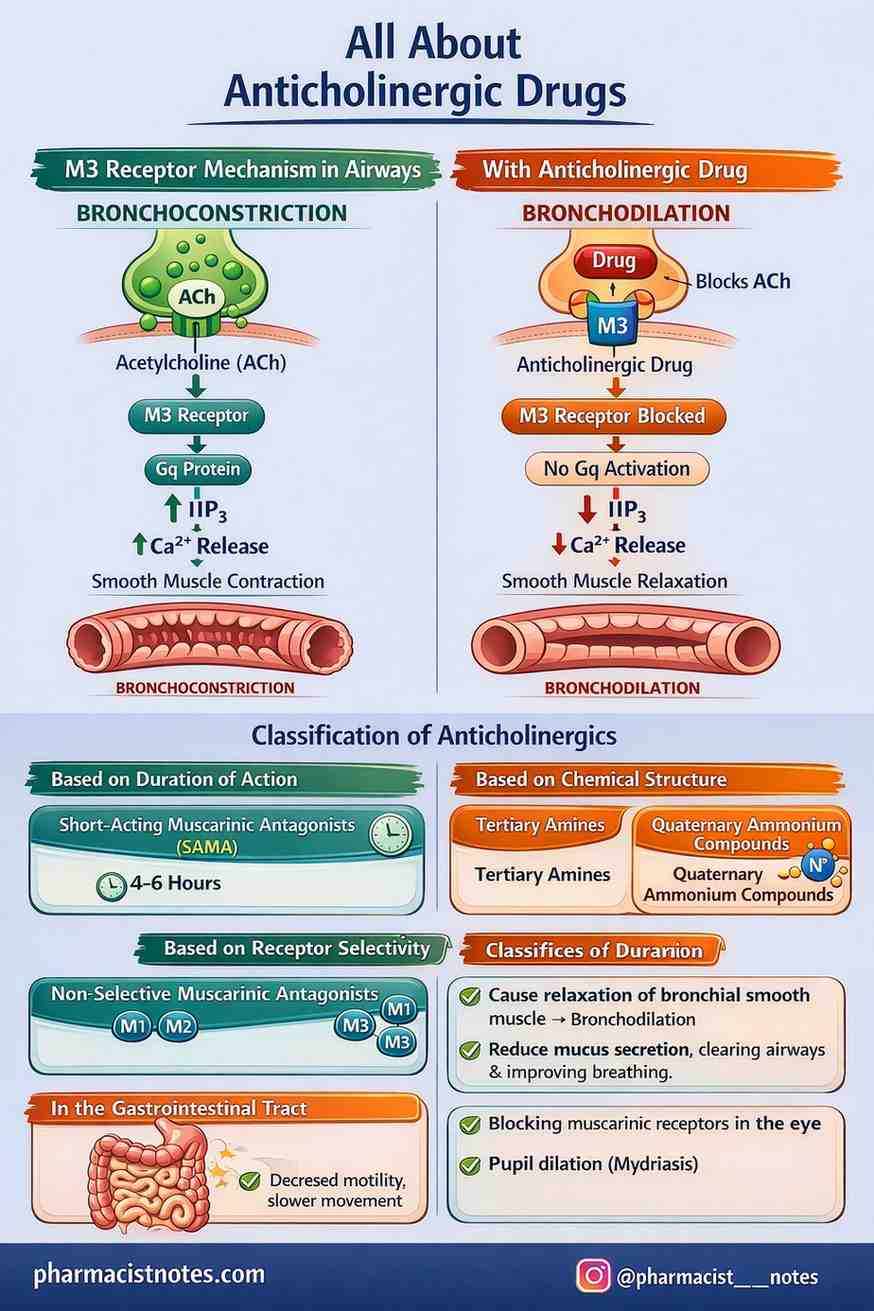
Learn about anticholinergic drugs (muscarinic antagonists), their mechanism of action, classification (SAMA & LAMA), M3 receptor role, and clinical use in COPD and asthma.

Beta2 Adrenergic Agonists β₂-Agonists are drugs that stimulate β₂-adrenergic receptors, primarily located in bronchial smooth muscle.They are the most important class of bronchodilators used in
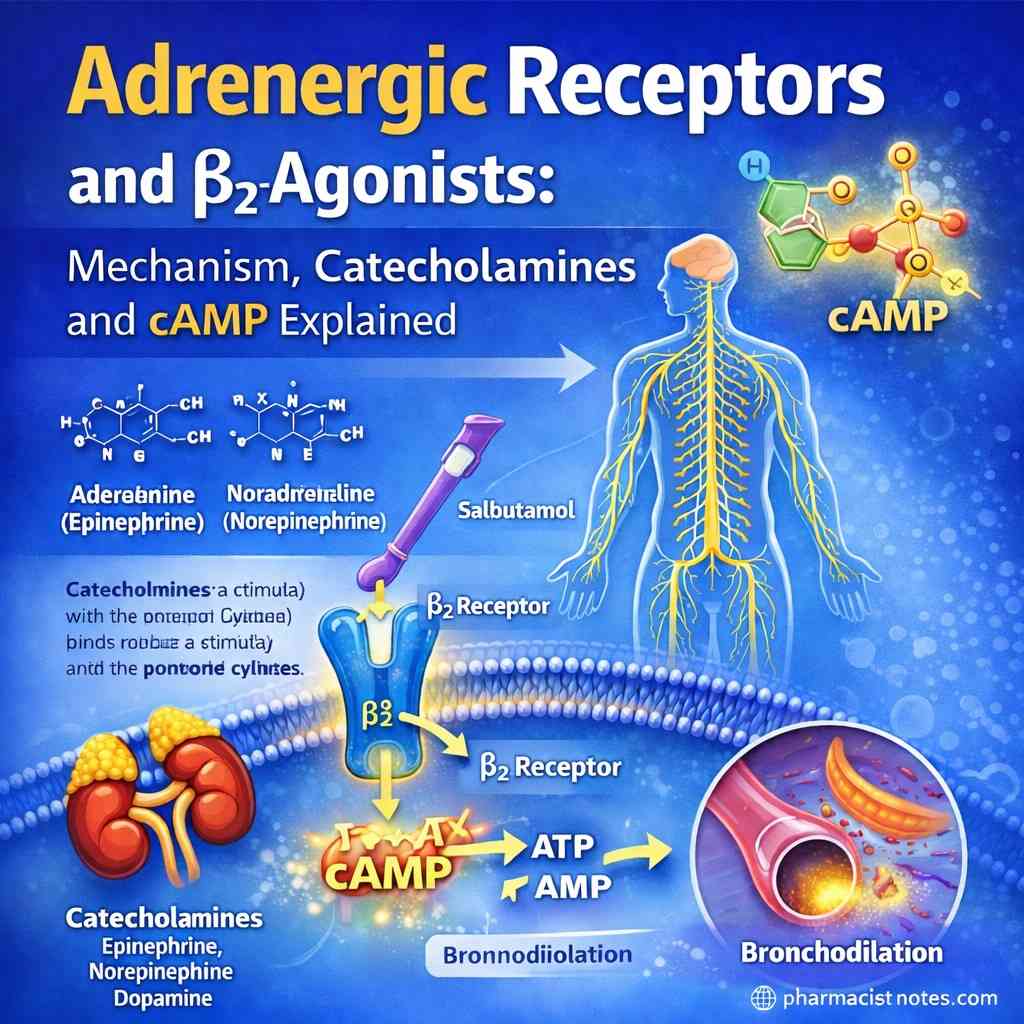
What are Adrenergic Receptors? Adrenergic receptors are the receptors which respond to adrenaline (epinephrine) and noradrenaline (norepinephrine) These receptors are part of sympathetic nervous system.
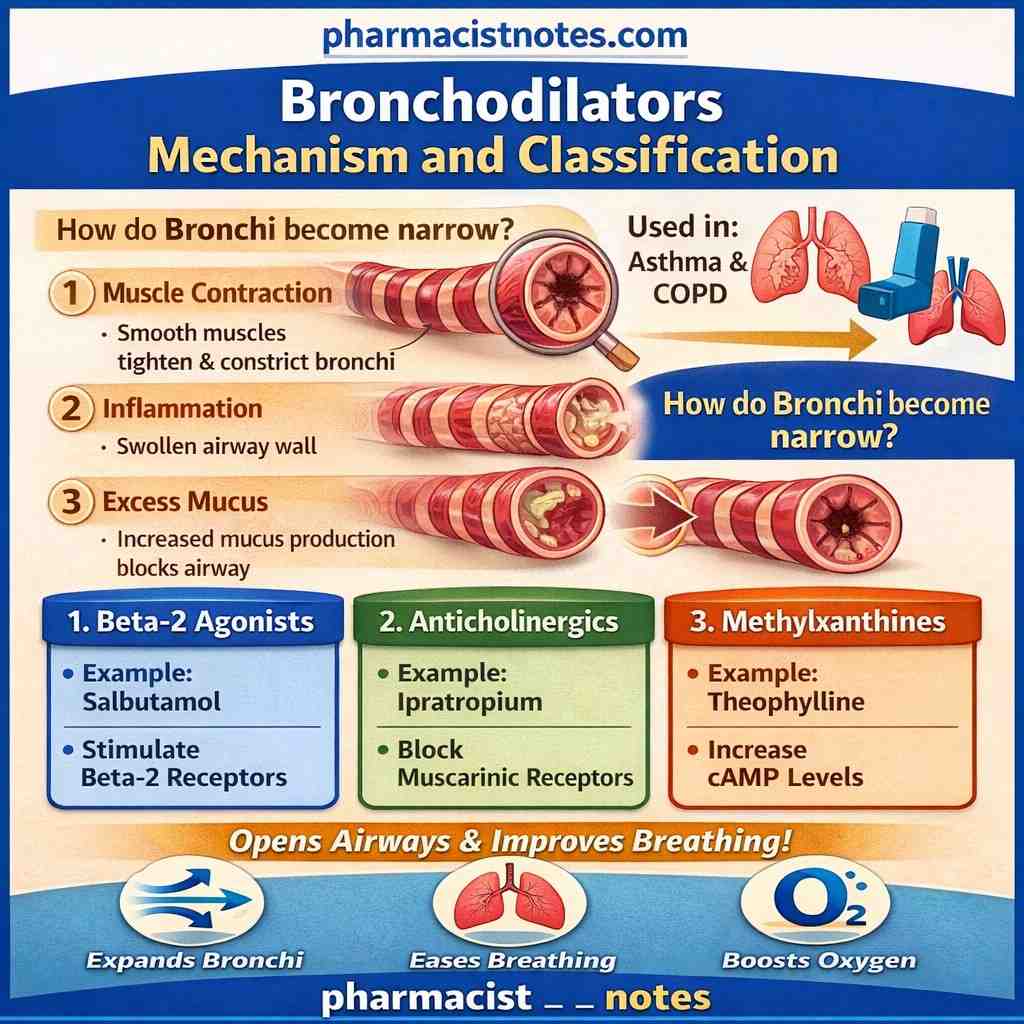
What are Bronchi? Bronchi are the main air tubes inside the lungs. Bronchi carry air from trachea into both lungs.They divide into smaller branches called